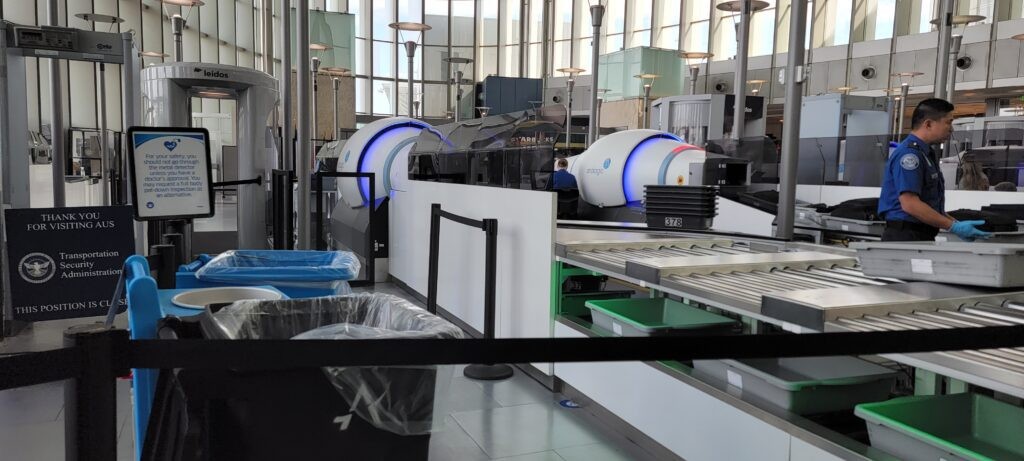
The recent deployment of Immigration and Customs Enforcement (ICE) agents to airport checkpoints during the partial government shutdown has raised critical questions about traveler rights. While presented as a solution to TSA staffing shortages, the move is rooted in ongoing disputes over immigration enforcement policies and highlights a key difference: ICE agents operate with far broader legal authority than TSA screeners.
The Legal Distinction Between TSA and ICE
TSA personnel, despite often being called “officers,” are not law enforcement. Their searches are limited to security screenings related to air travel. If they find evidence of other crimes, they call law enforcement. ICE agents, however, are law enforcement officers with the power to make arrests for federal violations and conduct broader searches. This means:
- Expanded Authority: ICE agents can use more force than TSA staff, and legal challenges are less likely, especially in the absence of clear legal precedents regarding their airport checkpoint roles.
- Lower Threshold for Intervention: ICE requires only a “reasonable articulable basis” to suspect a crime, a much lower standard than what TSA uses for security checks.
- Data Collection: ICE uses facial recognition and fingerprint scanners to instantly pull biographical data, even on individuals with no prior criminal history. This has implications for protestors, frequent travelers with Global Entry/PreCheck, and anyone under investigation.
Why This Matters
The deployment of ICE at airports is not merely about fixing security lines. It’s a direct result of the shutdown standoff over DHS funding, with demands including limiting immigration detention of US citizens, ending enforcement in sensitive locations like hospitals, banning racial profiling, and ensuring detainee legal access.
The move has implications beyond immediate travel disruptions. It escalates the level of law enforcement presence at civilian checkpoints, creating a more intrusive and potentially aggressive environment for travelers.
What to Do If Approached by ICE
If questioned by ICE at an airport, remember your rights:
- Administrative Consent: If asked for consent to search, state explicitly, “I consent only to the administrative search required as a condition of boarding my flight. I do not consent to any other search.”
- Freedom to Leave: If detained, ask, “Am I free to leave?” and demand an explanation if the answer is no.
- Assert Your Rights: Know that ICE operates under broader legal authority, but you still have constitutional protections.
The situation underscores a growing trend of blurring lines between security and law enforcement in public spaces. The deployment of ICE at airports is not just about personnel shortages; it’s about flexing authority and signaling a shift in enforcement priorities.
Travelers should be aware of these expanded powers and prepared to assert their rights if confronted by ICE agents.