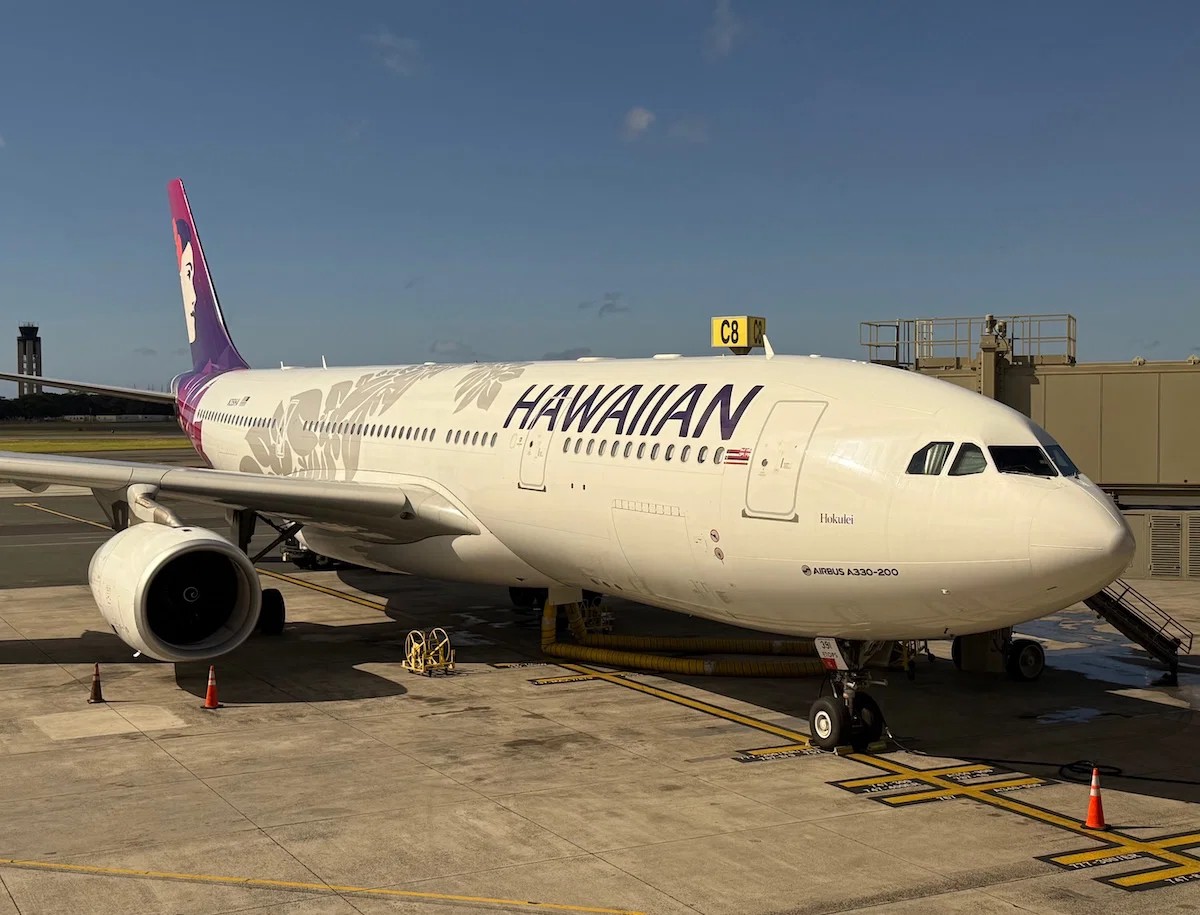
Hawaiian Airlines pilots will no longer be permitted to have beards, marking the end of a decades-long exception within the industry. The policy change, taking effect in April 2026, is part of the broader integration of labor standards following Hawaiian’s acquisition by Alaska Air Group. While both brands will maintain separate identities for customers, operational alignment behind the scenes requires uniform policies across pilots.
Safety Concerns Drive the Change
The primary justification for prohibiting beards is flight deck safety, particularly concerning oxygen masks. The Federal Aviation Administration (FAA) has maintained guidance against facial hair since 1987, citing the potential for mask leaks in emergency situations. Oxygen mask manufacturers also recommend against beards for similar reasons.
Despite some debate — one 2024 Embry-Riddle study found no conclusive evidence of leaks caused by facial hair — Alaska Air Group is prioritizing caution. The decision was underscored by the company’s reference to Alaska Flight 1282, where pilots were forced to deploy oxygen masks during a rapid decompression event. This recent incident reinforces the importance of ensuring mask functionality in critical situations.
Cultural Considerations and Policy Alignment
Hawaiian Airlines previously maintained its more lenient policy, potentially due to cultural factors. Executives at Alaska Air Group have emphasized that the change isn’t intended to diminish Hawaiian culture. However, as the airlines align operational procedures, eliminating this exception for Hawaiian pilots is logical given Alaska’s existing standards.
The company acknowledges the policy is unpopular with some pilots. Vice President of Flight Operations Dave Mets stated he understands the frustration, but maintains that prohibiting beards is the “safest and most compliant path forward.” Pilots are still permitted to have well-groomed mustaches.
The Bottom Line
The new policy reflects a broader trend towards standardization within the aviation industry. While the safety concerns remain debated, Alaska Air Group is erring on the side of caution, ensuring uniform compliance with FAA guidance as Hawaiian Airlines integrates into the larger Alaska Air Group structure.