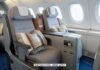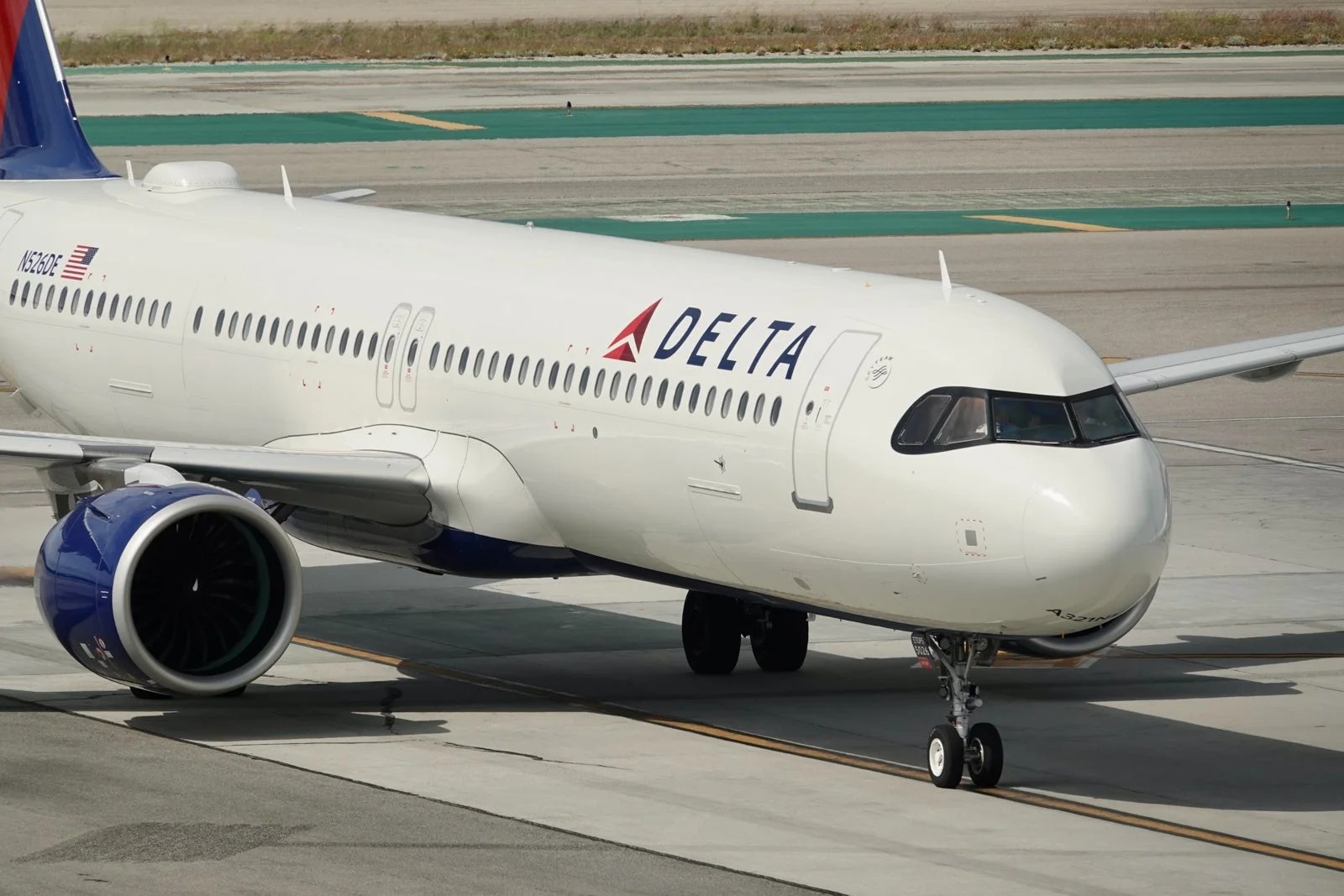
Delta Air Lines is preparing to deploy seven Airbus A321neo aircraft featuring an exceptionally large first-class section, boasting 44 premium seats. The rollout begins June 7th, coinciding with peak summer travel demand, and will initially serve four key transcontinental routes from Atlanta (ATL). This move is a temporary solution while Delta awaits regulatory approval for its planned 16-suite Delta One configuration for these planes.
The Unusual Configuration
The A321neos will offer 11 rows of first-class seating – more than double the number typically found on similar Delta aircraft. This configuration is driven by a supply chain delay in the installation of lie-flat suites. Rather than keep the new planes grounded, Delta opted for an interim setup to maximize capacity during the busy season.
“Sometimes the supply chain throws us a curve,” says Delta VP of Customer Experience Design, Mauricio Parise. “Rather than wait, we chose to implement a creative solution to ensure our customers had access to some of our newest aircraft in time for the summer travel season.”
Route Details & Booking
The seven aircraft will operate on the following routes:
- Atlanta (ATL) to Los Angeles (LAX)
- Atlanta (ATL) to San Diego (SAN)
- Atlanta (ATL) to Seattle (SEA)
- Atlanta (ATL) to San Francisco (SFO)
Bookings open February 21st. The planes will also include 54 extra-legroom Comfort+ seats and 66 standard economy seats, making up only 40% of the total cabin capacity.
Service Considerations
Serving 44 first-class passengers will present logistical challenges for cabin crews, particularly during meal service. Delta has responded by equipping these A321neos with an additional oven to ensure hot meals can be provided to all premium passengers. The airline is still finalizing service details but acknowledges the increased demands of the larger first-class cabin.
Delta has not given a firm timeline for when these planes will be reconfigured with the Delta One suites, but the premium-heavy setup is expected to remain in place for the foreseeable future while awaiting regulatory approval. This move reflects the airline’s willingness to adapt and deploy assets creatively in response to logistical hurdles.