Chiloé Island, off the coast of Chile, is a world apart. For centuries, the island has been shaped by its Indigenous roots – first the Huilliche, then the seafaring Chono – and a fierce independence that resisted full colonization. Today, it remains a unique crossroads of land, sea, and deeply-held cultural practices. This isn’t just another tourist destination; it’s a living example of how communities can thrive by preserving their heritage and innovating sustainably.
A Landscape Forged by Isolation
Chiloé’s geography is striking. Ancient forests of tepa and alerce trees blend with Jurassic-era plant life, while the coastline is dotted with palafitos – stilt houses that are both practical for fishermen and iconic photo opportunities. The island’s isolation has allowed traditions to endure, with sixteen UNESCO-listed wooden churches standing as testament to the islanders’ resilience. Villages still carry Huilliche names, and life moves with the rhythm of the tides.
The ‘Minga’: Community Solidarity in Action
Perhaps the most striking tradition is the minga – a communal act of mutual aid. Neighbors literally move entire homes together, driven by agricultural needs or environmental shifts. This isn’t just about physical labor; it’s about reinforcing social bonds. As locals explain, a minga often culminates in a curanto – a slow-cooked feast that embodies the spirit of collective effort. This practice is a cornerstone of Chilote culture, illustrating how cooperation is essential for survival and prosperity.
Sustainable Innovation: Farming and Aquaculture
Chiloé isn’t stuck in the past. Farmers like Sandra Naimán and aquaculturists like Justo García are proving that tradition and innovation can coexist. Naimán’s organic farm, built on decades of ancestral knowledge and trial-and-error, preserves native crop seeds on the brink of extinction. She shares her wisdom via WhatsApp, connecting with islanders and mentoring young women in agriculture.
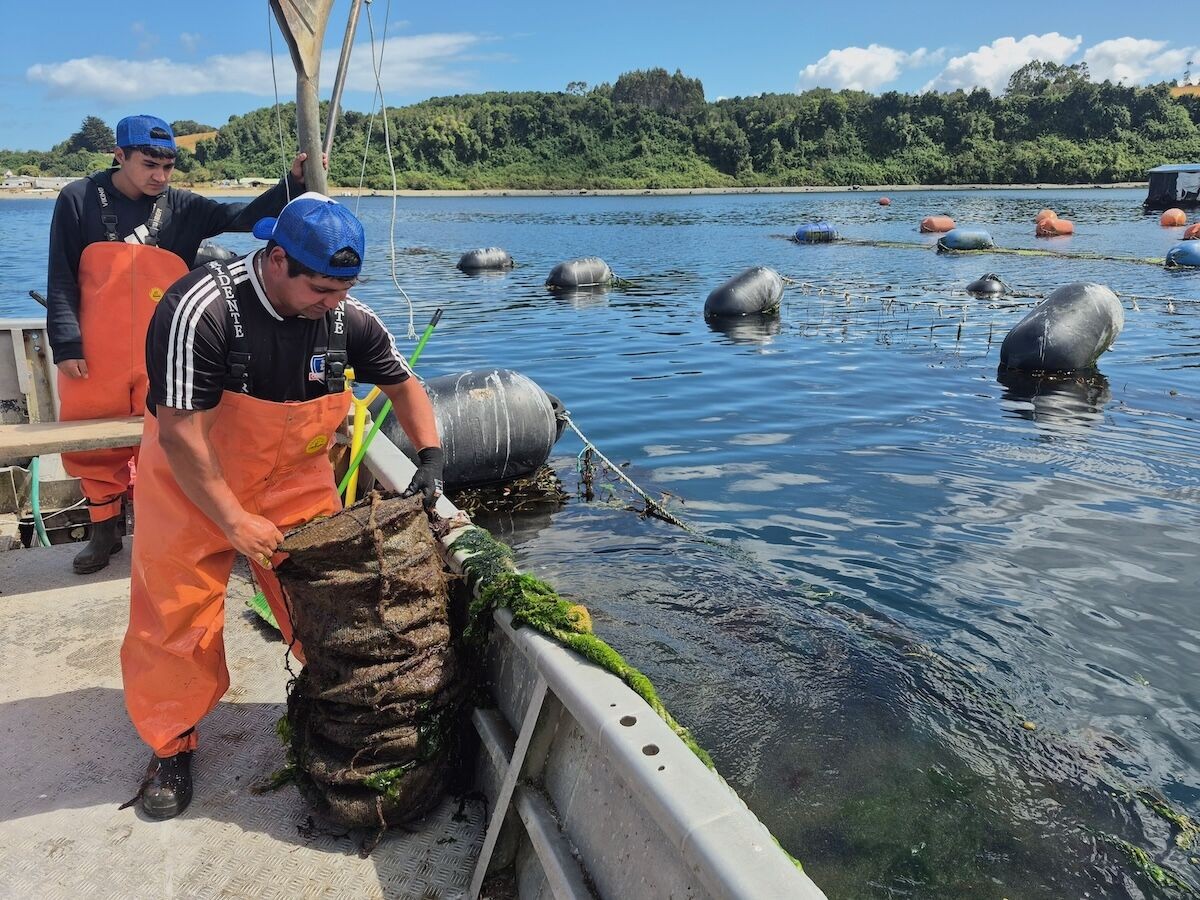
García, meanwhile, is pioneering sustainable aquaculture. His hatchery tanks nurture oysters, mussels, and scallops using microalgae – a technique rare in small-scale operations. His commitment to natural filtration and slow growth reflects a deep respect for the marine ecosystem. The Chilean oyster, found almost exclusively in Chile and New Zealand, is a symbol of this unique approach.
The Curanto: A Ritual of Land and Sea
The curanto isn’t just a meal; it’s a ritual. Volcanic stones are heated in an earth pit, then layered with meat, shellfish, and potatoes under nalca leaves, slowly simmering into a feast. This ancient practice, originating with the Chono people, connects land-based agriculture with the island’s seafood bounty. The curanto embodies the core of Chiloé’s economy and social life, fostering community and celebrating the island’s natural abundance.
Chiloé isn’t just a place to visit; it’s a model for sustainable living, where tradition and innovation meet in a landscape shaped by isolation and resilience. The island stands as a reminder that preserving cultural heritage and environmental stewardship can create a thriving, unique community.