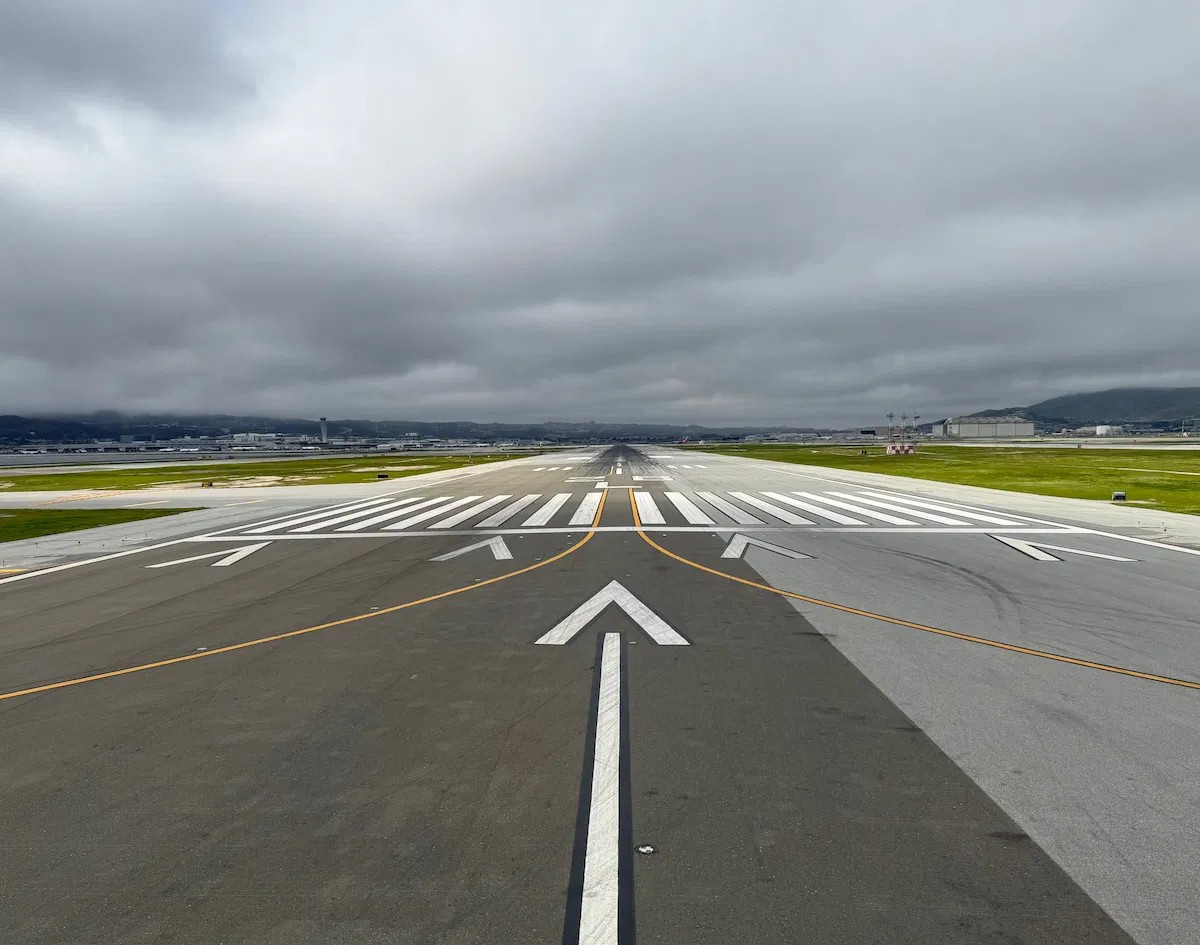
A recent incident at San Francisco International Airport (SFO) nearly resulted in a collision when air traffic control (ATC) cleared two United Airlines planes for takeoff on parallel runways at the same time. While the situation was ultimately resolved without incident, it highlights critical vulnerabilities in standard operating procedures and the potential for human error in high-pressure environments.
The Sequence of Events
The incident involved a Boeing 777 and a Boeing 737 departing from runways 1L and 1R, respectively. SFO’s standard departure procedures involve planes turning left from 1L and right from 1R to achieve airborne separation. However, the 777, needing the longer runway 1R due to its size, was cleared to depart while the 737 was already positioned on 1L, ready for takeoff. The ATC controller reportedly issued both clearances in rapid succession, creating a situation where the two aircraft were authorized to roll simultaneously.
Contributing Factors: A Chain of Errors
The incident wasn’t the result of a single mistake but a confluence of factors:
- Runway Usage: The 777 required the longer runway 1R, which altered the typical departure pattern.
- Night Conditions: Darkness reduced visibility, making it harder for the controller to visually confirm aircraft positions.
- Controller Fatigue/Confirmation Bias: The controller, working during off-peak hours, may have been fatigued or misidentified the planes due to the slight displacement of the runways and similar beacon lights. This led to issuing two clearances without fully registering the potential conflict.
- Departure Procedure Familiarity: The controller may have defaulted to assuming a right-turn departure for the 777, overlooking the fact it was cleared to turn left.
Safety Margins Prevented Disaster
Despite the error, several safeguards prevented a collision:
- Pilot Awareness: The 737’s crew could visually confirm the 777’s trajectory and maneuver to avoid conflict.
- Climb Rate Differences: The 777’s slower climb rate relative to the 737 reduced the likelihood of a mid-air collision.
- TCAS Intervention: The Traffic Collision Avoidance System (TCAS) would have issued alerts if the situation deteriorated further.
Recommendations and Systemic Issues
This incident underscores the need for improved ATC procedures. One potential solution is mandatory verbal confirmation of departure fixes, such as “United 2621, RNAV SSTIK, Runway 1R, Cleared for Takeoff.” This would give the crew a chance to recognize conflicting routes and challenge the clearance.
The near-miss highlights the broader issue of human reliability in aviation, where fatigue, distraction, and procedural familiarity can compromise safety. Maintaining alertness and readiness among pilots and controllers is paramount, especially when deviations from normal operations occur.
The incident serves as a stark reminder that even in a highly regulated industry, vigilance and procedural reinforcement are essential to prevent catastrophic errors. Aviation safety is not guaranteed by technology alone; it depends on continuous human diligence.