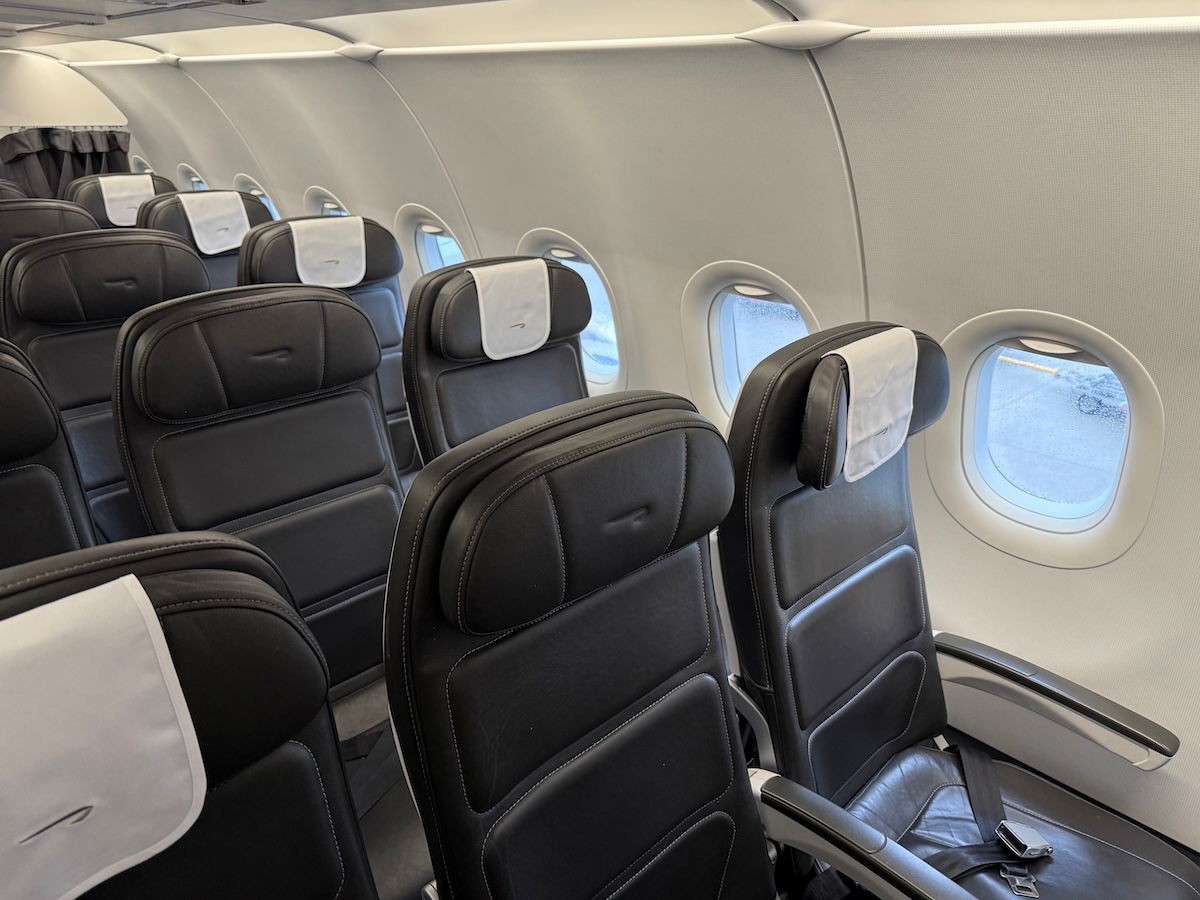
The airline industry is renowned for its strict safety standards, yet a curious inconsistency exists: safety rules vary significantly between airlines and countries. While core regulations like airplane mode and exit row protocols are nearly universal, many non-U.S. carriers enforce additional restrictions that passengers in the United States rarely encounter. These include disconnecting all electronics during critical flight phases, keeping window shades open, removing headphones, wearing shoes, and even restricting blankets or hot beverages when the seatbelt sign is on.
Why the Disparity?
The Federal Aviation Administration (FAA) establishes a baseline for global aviation safety, but other nations often layer on their own rules. This begs the question: is the FAA lax, or are other regulators simply more cautious? The answer may lie in risk tolerance. Aviation is already exceptionally safe; statistically, driving a car is far more dangerous than flying. Yet, the industry relentlessly pursues perfect outcomes, leading to policies that, while logical, may not have demonstrably saved lives.
Best Practices vs. Necessity
Many of these additional rules are sound best practices. Open window shades during takeoff and landing allow passengers to assess emergencies, while restricting electronics, blankets, and under-seat bags minimizes tripping hazards during evacuations. Removing headphones ensures passengers hear crucial instructions, and avoiding hot beverages reduces burn risks during turbulence.
However, the real question is whether these measures are necessary. Given billions of safe flights annually, it’s unclear if these policies have a measurable impact on survival rates. The industry’s pursuit of absolute safety clashes with the reality that aviation is already remarkably secure. Ultimately, the difference boils down to how societies balance minor inconveniences with theoretical risk reduction.
The Bottom Line
Airline regulations are not uniform. Some countries prioritize stricter policies, particularly during critical flight phases, while the FAA focuses on a more streamlined approach. These differences reflect varying risk tolerances and highlight the industry’s relentless drive for perfection, even when the benefits remain statistically unproven.