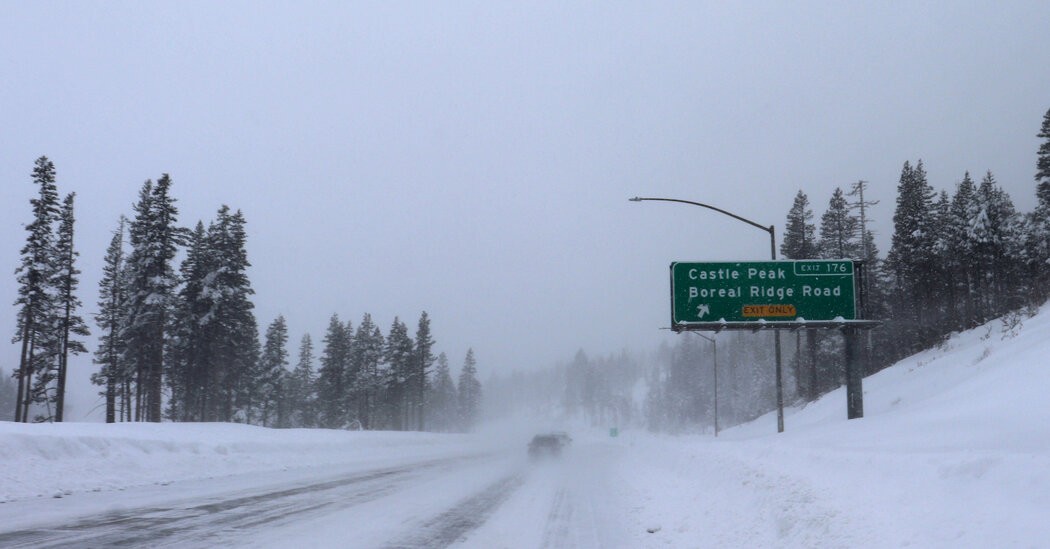
Recent tragedies, including a fatal avalanche near Lake Tahoe that claimed at least eight lives, underscore the growing dangers of backcountry skiing and snowboarding. Coupled with an unusually high death toll in Europe this winter—exceeding 90 fatalities, many among skiers—the incidents are prompting renewed scrutiny of safety in off-piste terrain.
The Allure of Untracked Powder
The primary draw for backcountry enthusiasts is clear: access to pristine, untouched powder snow and the isolation from crowded resorts. Unlike managed ski areas where avalanche risks are systematically reduced through control measures, the backcountry demands self-reliance and an acute understanding of snow conditions.
This season, however, the risks have proven lethal for a disproportionate number of skiers.
Avalanche Fatalities: Rare Yet Increasing
While avalanches remain statistically uncommon, fatalities have risen sharply. Last winter, 22 people died in avalanches across the United States, with backcountry skiers and snowboarders accounting for half of those deaths. This winter has already recorded 15 U.S. avalanche fatalities, including 12 among those venturing beyond resort boundaries.
The numbers may seem small compared to the overall participation rate: approximately one million skiers entered the backcountry last winter alone, according to Snowsports Industries America (excluding snowboarders). However, the trend is alarming.
Why Now? The Role of Climate Change
Experts suggest that climate change may be exacerbating the problem. Warmer temperatures lead to less stable snowpacks, increasing the likelihood of slab avalanches. The persistent lure of deep powder—often found in increasingly unstable conditions—continues to draw skiers into dangerous terrain.
The rise in backcountry participation, fueled by social media and marketing campaigns promoting “adventure tourism,” further compounds the risks. Many new backcountry skiers lack the necessary training, experience, or equipment to navigate avalanche terrain safely.
The recent surge in fatalities serves as a grim reminder that the backcountry is not a playground. It demands respect, preparation, and a constant awareness of the deadly forces at play. The temptation of pristine powder must be weighed against the very real consequences of miscalculating the risks.
The rising number of avalanche fatalities highlights the critical need for enhanced education, improved forecasting tools, and a greater emphasis on responsible decision-making among backcountry skiers and snowboarders. Ignoring these factors will only ensure that this season’s tragedies are repeated in the future.