The travel industry is undergoing rapid transformation, marked by financial restructuring, technological adoption, and pressure to meet sustainability goals. Recent developments highlight the complex interplay between legacy systems, emerging tech, and regulatory demands.
Spirit Airlines’ Bankruptcy Restructuring
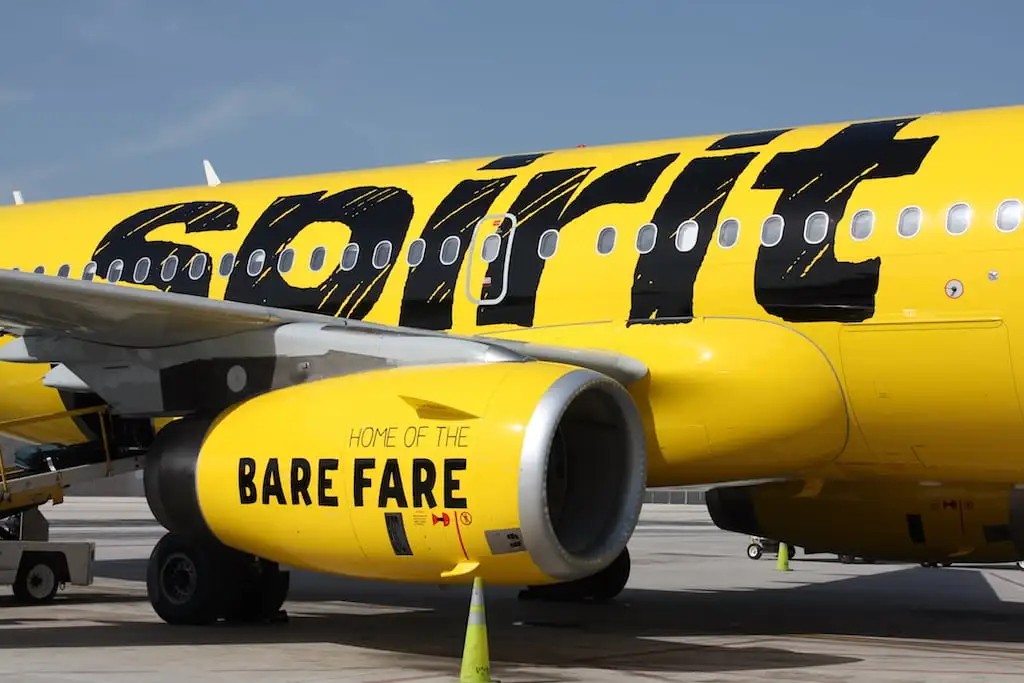
Spirit Airlines has reached an agreement with creditors to exit Chapter 11 bankruptcy. This restructuring is a critical step for the low-cost carrier, allowing it to stabilize operations amid ongoing financial pressures in the airline sector. Bankruptcy filings are increasingly common as airlines grapple with fuel costs, labor disputes, and shifting consumer demand.
AI Integration: Beyond Add-Ons
Travel companies are aggressively pursuing AI, but true gains require overhauling outdated infrastructure rather than simply adding AI features. Airlines that prioritize foundational improvements can personalize customer experiences and optimize operations more effectively. The trend underscores a shift towards proactive, data-driven decision-making in the industry.
Starwood Hotels’ Strategic Downsizing
The revival of the Starwood Hotels brand is betting on a different approach: smaller scale in an age of digital distribution. The original Starwood grew through aggressive expansion, but the new strategy suggests that targeted marketing and streamlined operations can be more profitable in today’s landscape. This reflects a broader trend where brands are reassessing the value of hyper-growth.
Kayak’s Marketing Dilemma
Kayak, owned by Booking Holdings, is avoiding direct AI messaging in its latest ad campaign. This may signal a broader marketing challenge: how to engage younger audiences (Millennials) without relying on AI hype. The campaign focuses on mobile booking and cutting through social media distractions. This suggests that some travel brands may be cautious about over-promoting AI before it delivers tangible benefits to consumers.
Sustainable Aviation Fuel (SAF) Challenges
Europe’s mandates for eSAF are facing a reality check: production capacity may not keep pace with policy goals. Building SAF plants takes years, raising questions about whether targets will be adjusted. This highlights the tension between ambitious climate policies and the practical constraints of industrial scaling.
The travel industry is at a crossroads, balancing financial recovery, technological innovation, and environmental sustainability. These developments point to a future where adaptability, strategic restructuring, and realistic policy implementation are key to success.