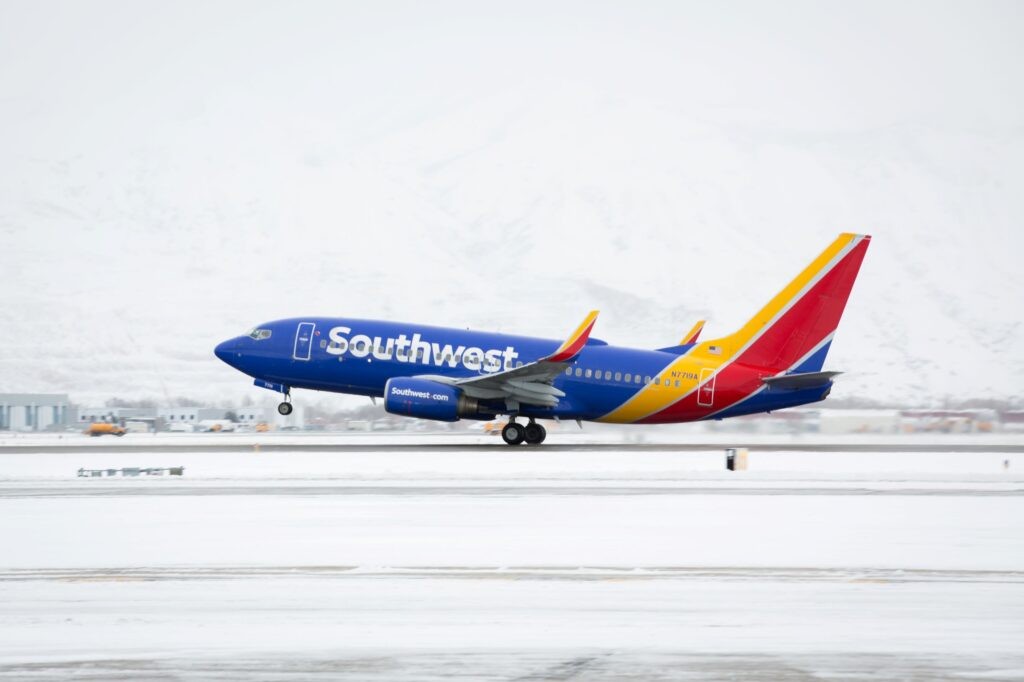
A major winter storm is causing significant travel chaos across the United States, with airlines already canceling over 10,000 flights through Monday. Meanwhile, industry leaders are increasingly focused on how artificial intelligence (AI) can reshape airline operations, moving beyond superficial tech adoption toward foundational changes.
Winter Storm Impact: Chaos in the Skies
The storm is disrupting travel plans nationwide, as airlines scramble to manage widespread cancellations. Over 2,000 flights have already been grounded, and further delays are expected as the weather worsens. Passengers should prepare for significant disruptions and check with their airlines for updates. The situation underscores the vulnerability of air travel to extreme weather events and the need for robust operational contingency plans.
AI as a Strategic Imperative
Beyond immediate disruptions, airlines are under pressure to innovate – and AI is emerging as a key driver. Executives like Brett Keller, former Priceline CEO with 26 years of experience, emphasize that successful AI integration requires overhauling outdated systems, not simply adding tech on top of them.
- Proactive Operations: AI can help airlines anticipate disruptions (weather, maintenance, staffing) and adjust schedules in real time.
- Personalized Experiences: AI-powered tools enable airlines to tailor offers, services, and communication to individual passengers at scale.
- Efficiency Gains: From baggage handling to customer service, AI can streamline processes and reduce costs.
The transition to an “AI-first” approach isn’t easy. Legacy systems, outdated processes, and resistance to change are major hurdles. But airlines that fail to adapt risk falling behind competitors.
Rethinking Ancillary Revenue Streams
The shift toward AI is even influencing how airlines approach ancillary revenue. Discussions around short-haul catering, for example, reveal that traditional business class meal services may no longer align with modern passenger preferences or operational efficiency. Airlines are exploring new models to maximize profitability without sacrificing customer satisfaction.
In conclusion, U.S. airlines are navigating immediate winter storm disruptions while simultaneously preparing for a long-term technological overhaul. The successful integration of AI will be crucial for maintaining competitiveness, improving customer experiences, and weathering future challenges.