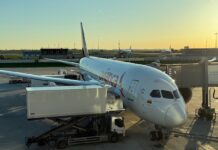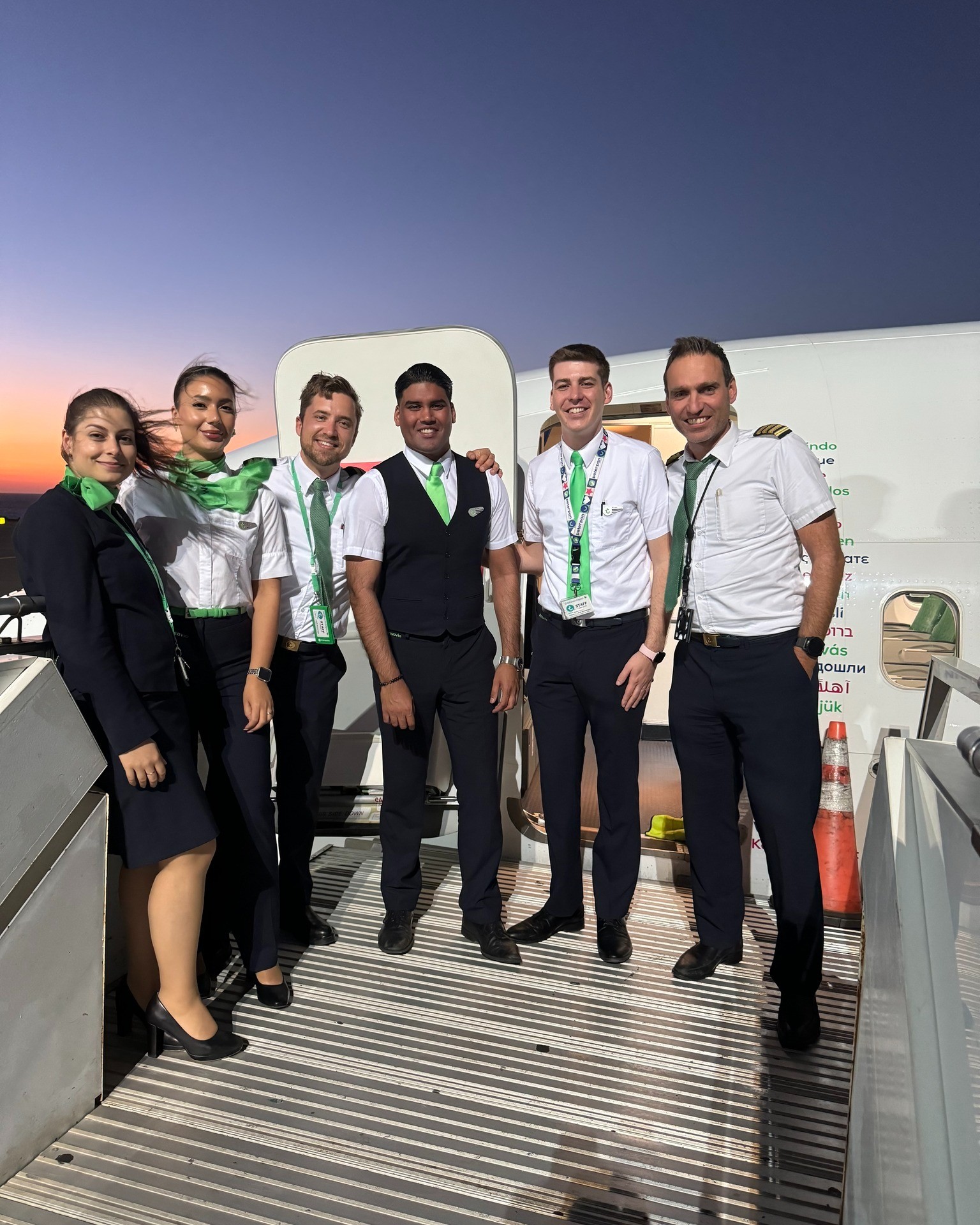
A Transavia flight from Hurghada, Egypt to Amsterdam faced an overbooking issue on February 21, 2026. Rather than offer standard overbooking compensation, the airline asked for two volunteers to occupy cockpit jumpseats for the six-hour duration of the flight. A woman and a child, estimated to be around ten years old, were selected and seated behind the pilots.
The incident has drawn scrutiny but no immediate regulatory action. Transavia has confirmed an internal investigation, citing adherence to European Union Aviation Safety Agency (EASA) guidelines, which state that cockpit access is governed by the airline’s operations manual and captain’s discretion.
Dutch aviation authorities acknowledge the practice as “undesirable” and report that Transavia is revising its policies. However, they have not launched a formal investigation. The incident raises questions about how airlines manage overbooking: standard practice involves compensation and rebooking for denied passengers, but this airline found a cheaper, though unusual, workaround.
The Legal Gray Area
EASA regulations (CAT.GEN.MPA.135) allow non-crew members in the cockpit only if authorized by the operations manual or as representatives of aviation authorities. The key is whether Transavia’s manual explicitly permitted this practice, which now appears to be changing. If the manual allowed it, the policy was exceptionally permissive. Even if authorized, the captain remained responsible for ensuring no distractions or safety breaches occurred.
A Pattern of Unusual Practices
This incident is not isolated. Airlines have previously dealt with overbooking in unconventional ways. Delta once departed with excess passengers before realizing the error and returning to the gate. Pakistan International Airlines once flew with passengers standing in the aisle for a 1,700-mile flight. TUI once carried passengers who did not have assigned seats, resulting in them sitting on the floor for the duration of the flight.
Pilots have also been known to improperly allow unauthorized access to the cockpit, including cases of unqualified individuals handling controls.
The Transavia incident exposes a gap in regulations: while no rules were technically broken, the airline exploited a loophole to avoid financial obligations. The embarrassing outcome forces a policy change, but highlights the need for stricter standards to prevent similar cost-cutting measures.