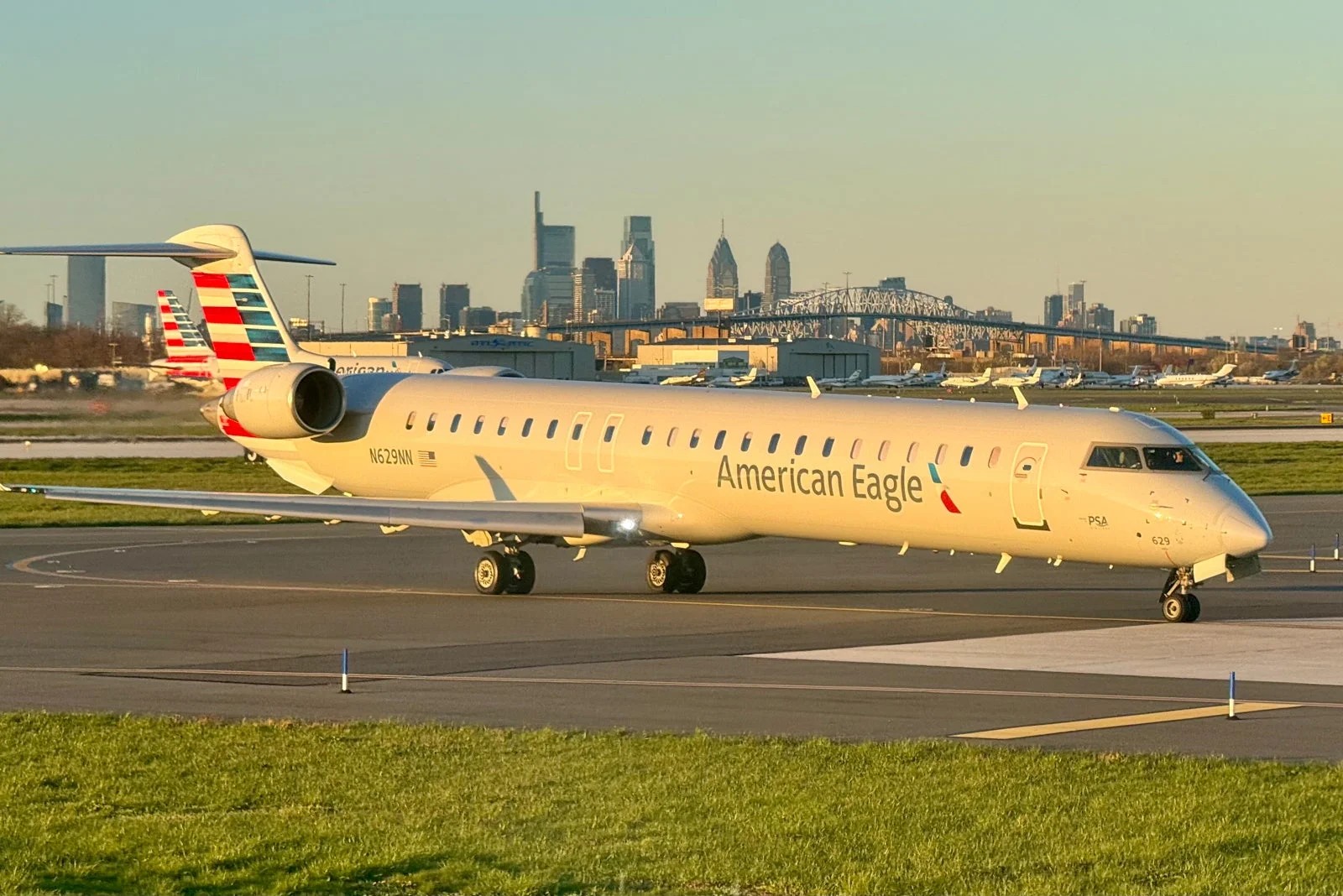
American Airlines is discontinuing its twice-daily service to Santa Maria Public Airport (SMX) in California, effective May 7th. This move marks the airline’s complete exit from the airport, as SMX was the only destination served directly by American from its Phoenix hub. The decision stems from underperformance, with American stating that the route “did not meet performance expectations.” Passengers impacted by this change will be offered alternative arrangements or full refunds.
Testing Small Market Routes
The Santa Maria route was part of a broader American Airlines strategy initiated in 2023 to test service to underserved U.S. airports. Since then, the airline has launched flights to destinations like McClellan-Palomar Airport (CLD) near Carlsbad, California; Provo Airport (PVU) in Utah; and Vero Beach Regional Airport (VRB) in Florida. While SMX is being dropped, American continues to serve the other three experimental markets.
This ability to rapidly test smaller cities is partly due to American’s pilot contract, which allows for greater use of regional affiliates operating smaller 76-seat jets – a flexibility not fully matched by Delta or United.
Impact on Santa Maria and Regional Connectivity
The loss of American Airlines leaves Santa Maria Public Airport reliant on Allegiant Air, which operates non-stop flights to Las Vegas. This reduction in service highlights the challenges smaller regional airports face in attracting and retaining major carriers. The SMX case demonstrates that even with initial investment, routes can be cut if financial performance doesn’t align with airline expectations.
Broader Route Adjustments: Long-Haul Cuts and Fleet Upgrades
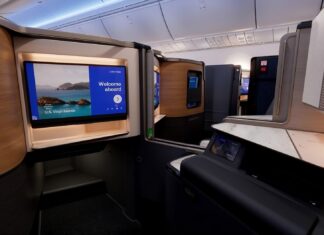
Alongside the SMX decision, American Airlines is also temporarily suspending several long-haul international routes this winter. These include services from Charlotte to Rome, Dallas-Fort Worth to Frankfurt, and Miami to Paris. The pause is related to retrofitting its Boeing 777-300ER fleet with new “Flagship” interiors.
Additionally, some long-haul flights will be downgraded from wide-body aircraft to the more efficient Airbus A321XLR, signaling a shift toward smaller planes on certain routes. This strategic adjustment reflects the airline’s evolving fleet management and its focus on operational efficiency.
While American Airlines’ experimentation with smaller airports shows promise, the SMX cut underscores the volatility of regional air service and the importance of sustained demand. The company’s broader route adjustments indicate a dynamic approach to managing capacity and upgrading its long-haul product.