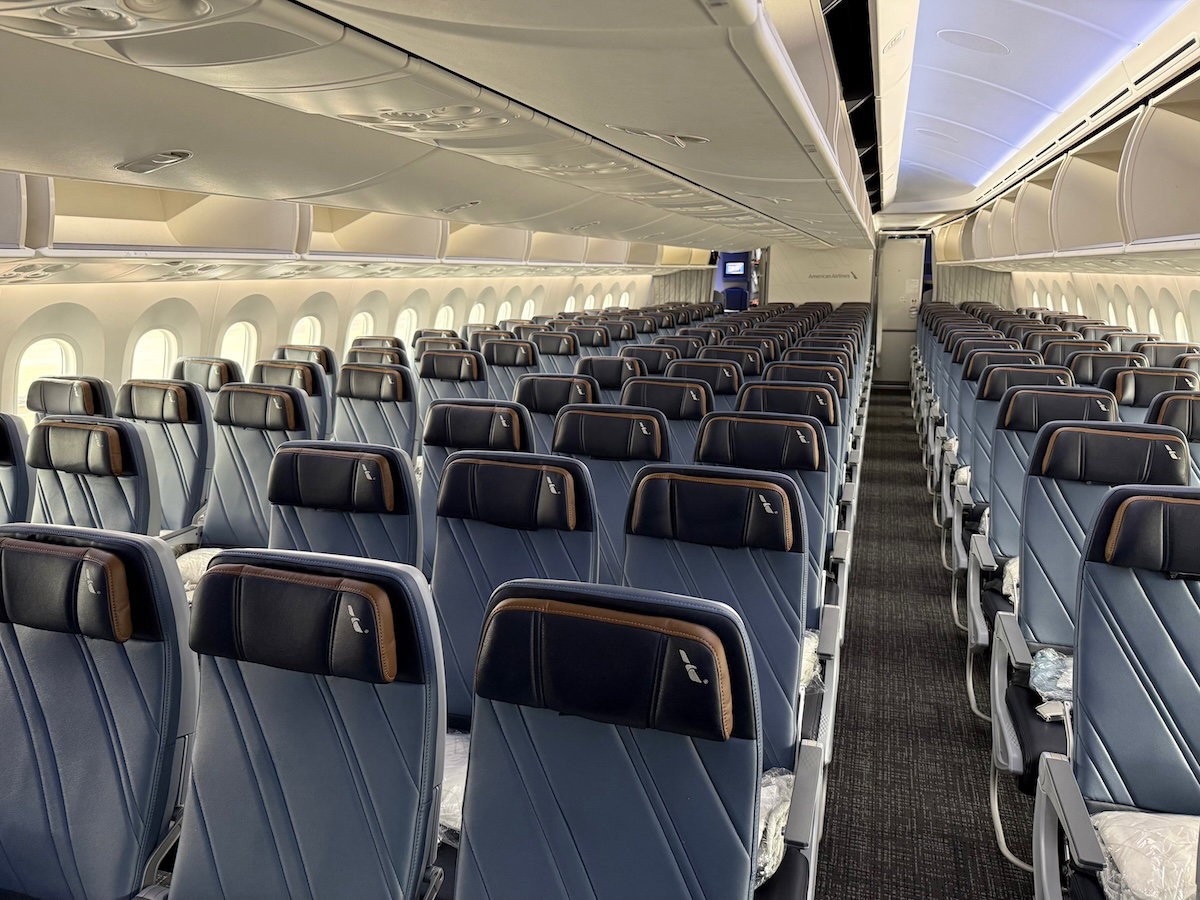
American Airlines is implementing a series of significant changes to its Basic Economy fare structure. While the airline is also raising checked bag fees—matching a broader trend among U.S. carriers facing rising operational costs—the most impactful shifts involve stripping away key benefits that previously made these fares even remotely viable for frequent flyers.
The Strategy of “Punitive” Pricing
To understand these changes, it is necessary to look at the underlying business model of Basic Economy. While these low-cost tiers are designed to compete with ultra-low-cost carriers and fill empty seats, they often serve a secondary, more strategic purpose: incentivizing passengers to upgrade.
By making Basic Economy increasingly restrictive, airlines create a “punitive” environment. The goal is to nudge travelers—particularly loyal, high-value customers—away from the lowest fare and toward Standard Economy, where the airline captures higher margins.
Key Changes to Basic Economy Fares
American Airlines has outlined a phased rollout of new restrictions that will fundamentally alter the value proposition of its lowest fare class.
1. Increased Checked Bag Fees
Starting April 9, 2026, passengers flying on Basic Economy tickets will face higher baggage costs than those in Standard Economy.
– The first and second checked bags will cost $5 more per bag than standard economy rates.
– Depending on whether the fee is paid in advance or at the airport, prices are expected to range between $50 and $65.
2. Elimination of Elite Perks
Beginning May 18, 2026, the airline will strip away several core benefits that previously allowed high-tier loyalty members to derive value from even the cheapest tickets:
– No Complimentary Upgrades: Basic Economy tickets will no longer be eligible for complimentary elite upgrades or Systemwide Upgrades. While passengers can still purchase upgrades using cash or miles (subject to dynamic pricing), the “free” benefit of status is removed.
– No Complimentary Seat Assignments: Elite members will no longer be able to select seats for free on Basic Economy fares. Even those with high-level status will be required to pay to choose their seats.
A Growing Trend of Devaluation
These updates are not isolated incidents; they represent a cumulative tightening of the rules for Basic Economy. In late 2025, American Airlines moved to ensure that Basic Economy fares no longer contribute toward AAdvantage mileage accrual or Loyalty Points.
This creates a “double hit” for frequent flyers:
1. They cannot use these flights to earn progress toward elite status.
2. They cannot use the status they already have to enjoy perks while flying on these fares.
What This Means for Travelers
The impact of these changes depends heavily on the type of passenger:
- For Occasional Travelers: The primary impact is a minor increase in baggage costs. For those traveling light without a credit card or status, the $5 difference may be negligible.
- For Elite Members: The changes are substantial. Previously, a Basic Economy ticket might have been a “loss leader” that still allowed an elite member to sit in a preferred seat or potentially move up to a premium cabin. Now, these fares are effectively isolated from the loyalty ecosystem, offering almost no connection to the benefits of their status.
The airline is clearly prioritizing the conversion of budget-conscious travelers into higher-paying customers by making the lowest fare increasingly inconvenient.
Conclusion
By increasing baggage fees and removing upgrade and seating privileges, American Airlines is systematically devaluing its Basic Economy product. This strategy aims to force loyalty members into higher fare classes by ensuring that the cheapest option provides little to no benefit from their hard-earned elite status.