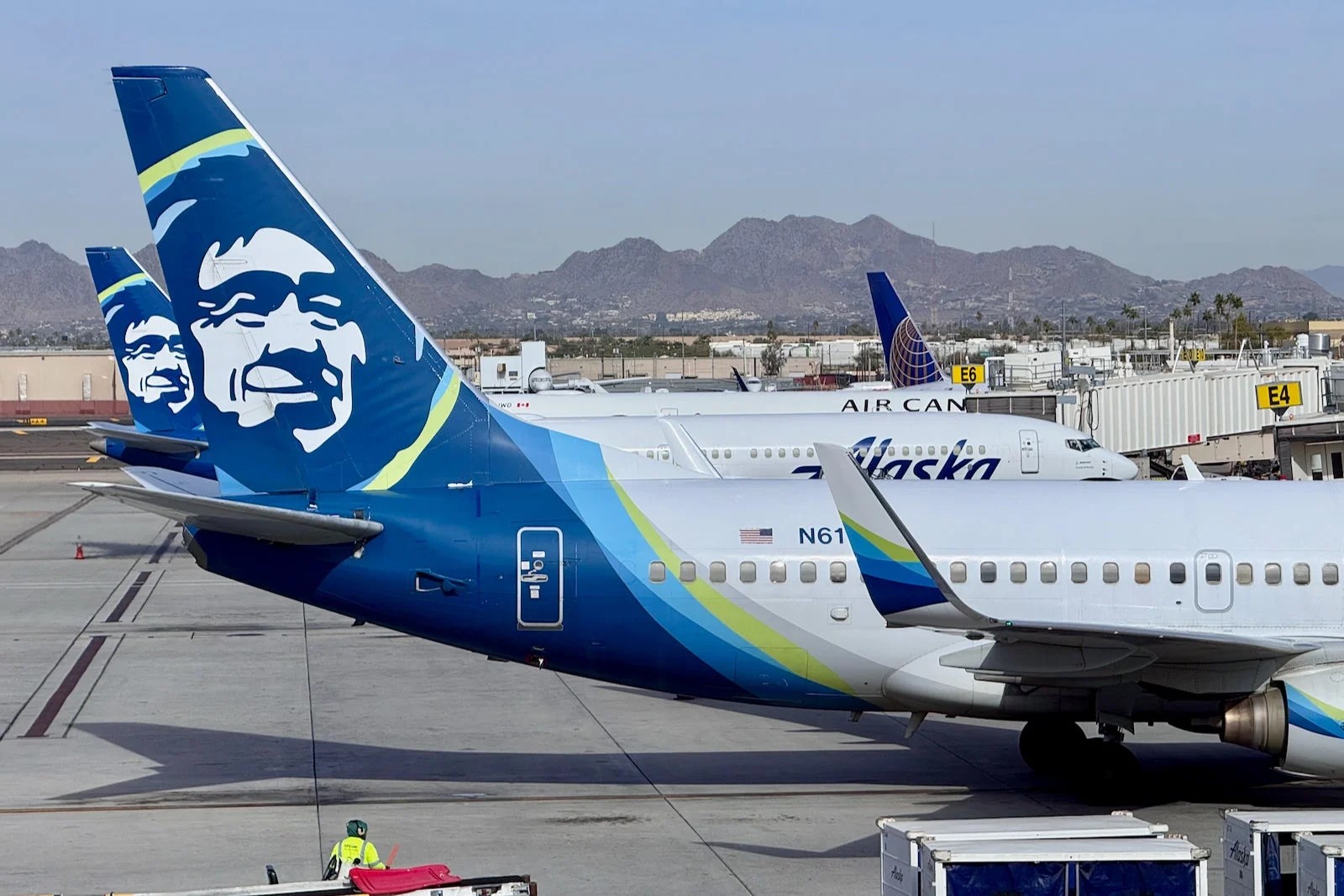
Alaska Airlines is rapidly modernizing its passenger experience through a dual-track upgrade program: increasing premium seating options and rolling out free Starlink Wi-Fi across its fleet. The changes are designed to cater to travelers willing to pay more for comfort and connectivity, while also leveraging the airline’s new loyalty program, Atmos Rewards.
Cabin Retrofits Prioritize Higher-Yield Seats
The Seattle-based carrier is nearing completion of a two-year project to reconfigure its Boeing 737 cabins. As of Friday, 218 out of 253 aircraft (approximately 86%) have been retrofitted to include more first-class and extra-legroom “Premium” seating. The airline aims to add 1.3 million higher-priced seats annually.
- On 737-800s, Alaska is adding two additional rows of first-class seats, featuring footrests to enhance the premium experience.
- Larger 737-900 and MAX 9 planes are receiving extra rows of Premium seating, building on existing first-class cabins.
The upgrades are scheduled to be fully implemented by the peak summer travel season, tapping into rising demand for enhanced in-flight comfort. Elite members of the Atmos Rewards program (including reciprocal benefits for American Airlines AAdvantage elites) are eligible for complimentary upgrades to these cabins when space is available.
Free Starlink Wi-Fi Expanding Rapidly
Alongside cabin enhancements, Alaska is aggressively deploying Starlink’s high-speed satellite internet. Hawaiian Airlines, recently acquired by Alaska Air Group, had already begun installing the technology before the merger.
To date, 66 aircraft (16% of the combined fleet) across both Alaska and Hawaiian brands now offer free Starlink Wi-Fi to passengers with an Atmos Rewards account. The rollout is accelerating, with plans to equip half the fleet by year-end and all planes by 2027.
For those on aircraft without Starlink, Alaska still offers standard Wi-Fi for $8 per flight, but allows free messaging regardless of connectivity.
The move to free, high-speed internet is a key differentiator in the U.S. market, as many competitors still charge for in-flight access. Alaska’s aggressive implementation of Starlink positions it to capture passengers seeking seamless connectivity during travel.
These upgrades collectively signal Alaska’s strategy to maximize revenue per seat and enhance customer loyalty through premium offerings and modern amenities. The combined effect will be felt by both leisure and business travelers, as the airline targets a higher-value segment of the travel market.