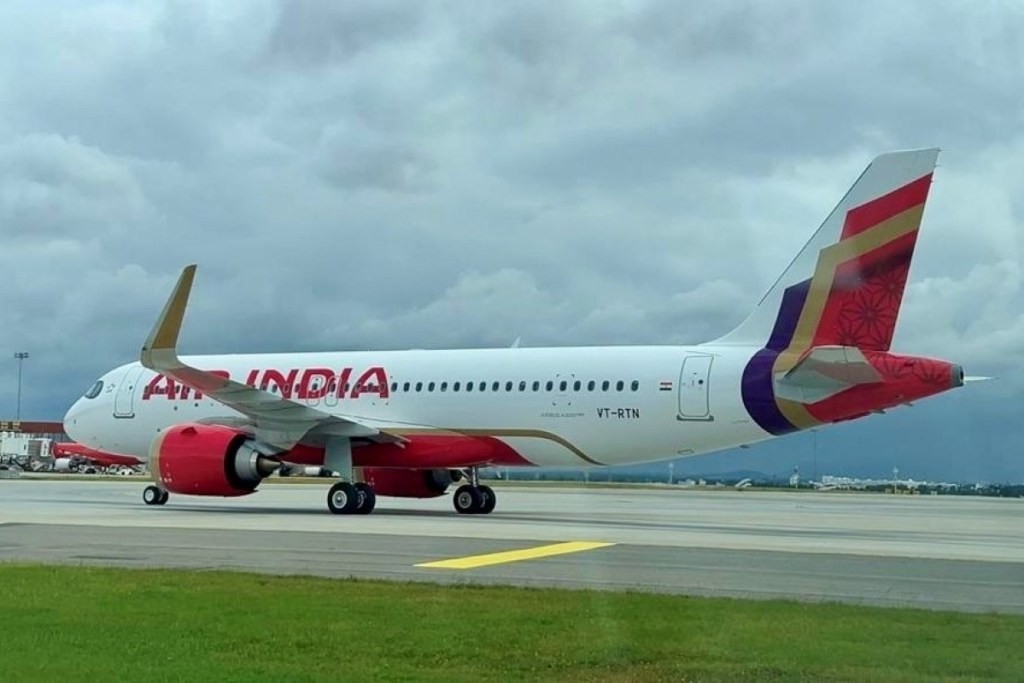
Air India Group is implementing a phased increase in fuel surcharges on both domestic and international routes. The move comes as a direct response to rising jet fuel prices, which the airline attributes to disruptions in supply chains linked to the ongoing conflict in Iran. The decision affects both full-service and low-cost operations, including Air India Express.
Rising Fuel Costs Pressure Airlines
Jet fuel, which represents roughly 40% of an airline’s operating expenses, has seen a “steep rise” since March 2026. This increase is not solely due to the conflict in Iran; high excise duties and value-added tax (VAT) in major cities like Delhi and Mumbai further strain airline finances. These taxes add a significant layer of cost, making it harder for airlines to maintain profitability.
Surcharges as a Last Resort
Air India states that the fuel surcharges are necessary to avoid flight cancellations. Without them, some routes would become financially unsustainable. This highlights the delicate balance airlines face: they must cover costs while keeping fares competitive.
The airline’s statement makes it clear that the surcharge is not merely a revenue-generating tactic, but a critical measure to ensure operational viability.
Broader Implications
The situation underscores the volatility of the aviation industry, which is highly susceptible to geopolitical events and fluctuating fuel prices. Airlines must adapt quickly to these changes, often passing costs onto passengers through surcharges. This is especially true in India, where high taxes on jet fuel already create a challenging operating environment.
The reliance on fuel surcharges is a temporary fix. The long-term sustainability of airlines depends on addressing underlying cost structures, including taxes and fuel sourcing strategies.
Air India’s decision signals a wider trend: airlines are increasingly forced to respond to external shocks by adjusting fares and surcharges, making air travel more expensive for consumers.