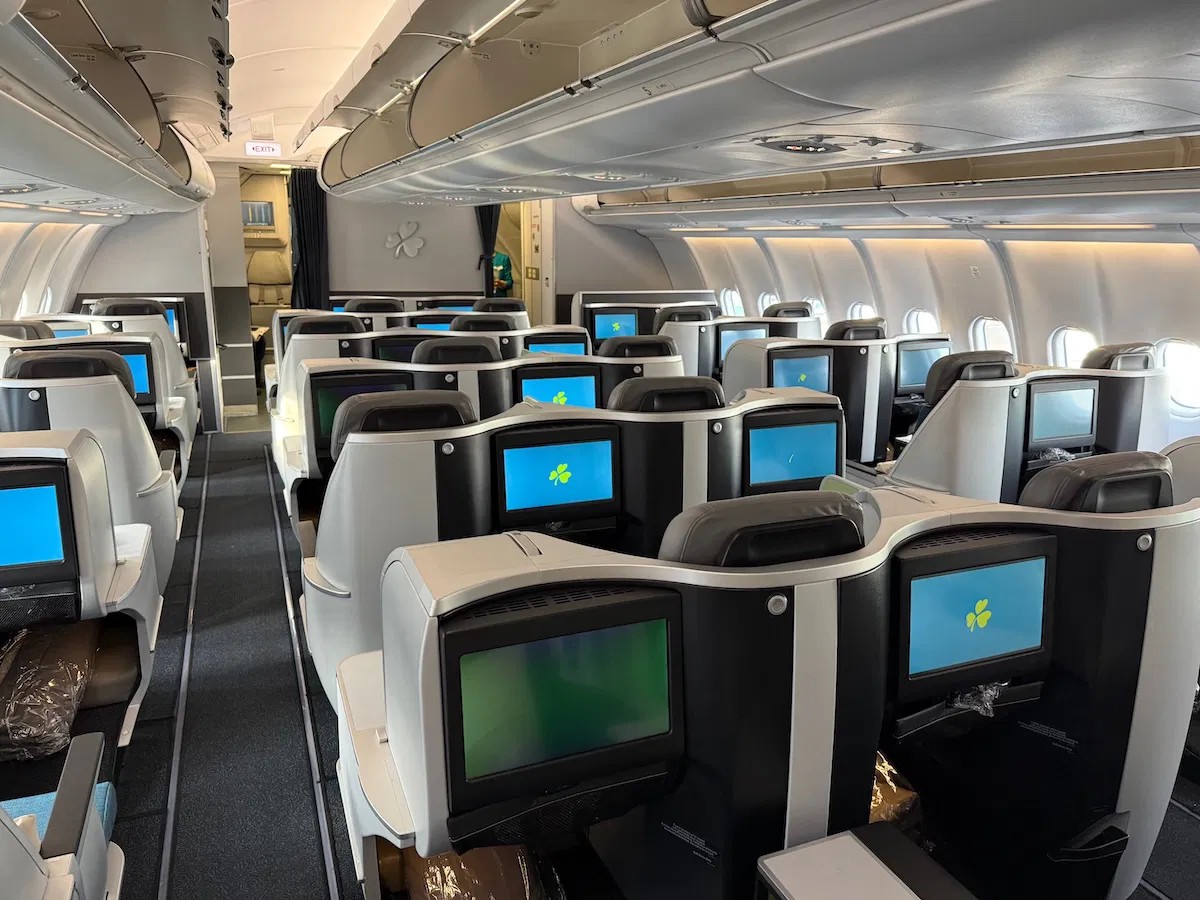
Aer Lingus is likely to discontinue its long-haul flights from Manchester (MAN) to destinations including New York (JFK), Orlando (MCO), and Bridgetown (BGI). The airline has effectively ceased selling tickets for these routes past March 31, 2026, framing the move as a response to “uncertainty” while simultaneously engaging in tense contract negotiations with its Manchester-based flight attendants.
Background: Expansion and Current Challenges
In 2021, Aer Lingus launched transatlantic service from Manchester, aiming to capitalize on what it perceived as an underserved market. The carrier, part of the IAG group but not a formal member of the oneworld alliance, sought to leverage its joint venture status to grow its long-haul network. However, the Manchester operation has since faced significant turbulence.
Labor Disputes and Financial Performance
The airline’s decision comes as it negotiates with approximately 200 Manchester-based flight attendants who are demanding higher pay increases and improved working conditions. Aer Lingus offered a 9% raise, which employees rejected, citing rising costs of living. The dispute has led to strikes, disrupting operations and casting doubt on the sustainability of the base. The company has also stated that flights out of Manchester are underperforming compared to routes operated from Ireland, including Dublin (DUB) and Shannon (SNN).
The Strategic Ambiguity
Aer Lingus has not explicitly canceled the flights, instead choosing to halt bookings as a way to “minimize customer disruption” should the Manchester base close. This approach is unusual, as cutting off sales essentially guarantees the routes’ demise while allowing the airline to avoid immediate public backlash. Whether this is a calculated bargaining tactic to pressure employees or a genuine intention to withdraw from Manchester remains unclear.
IAG’s History with Labor Relations
Aer Lingus’ parent company, IAG, has a history of aggressive labor negotiations. Last year, the group manipulated A321XLR orders as leverage in talks with Aer Lingus pilots, suggesting a willingness to use drastic measures to achieve its objectives.
Unanswered Questions and Potential Outcomes
The timing of this move – with less than three months’ notice ahead of the peak summer travel season – is questionable. It is possible that Aer Lingus intends to shift capacity back to Ireland, but the abrupt nature of the decision raises concerns about operational planning and customer impact.
The core issue is clear: Aer Lingus appears to be using its Manchester flights as a bargaining chip in labor negotiations, threatening to cut service unless employees accept its terms. The airline’s reluctance to provide a firm cancellation announcement only deepens the uncertainty for both travelers and staff.
The situation highlights the complex interplay between operational efficiency, labor relations, and strategic positioning within the airline industry. If Aer Lingus follows through with this plan, it will likely face criticism for its handling of the situation, while simultaneously sending a message to its workforce that concessions will not be made lightly.